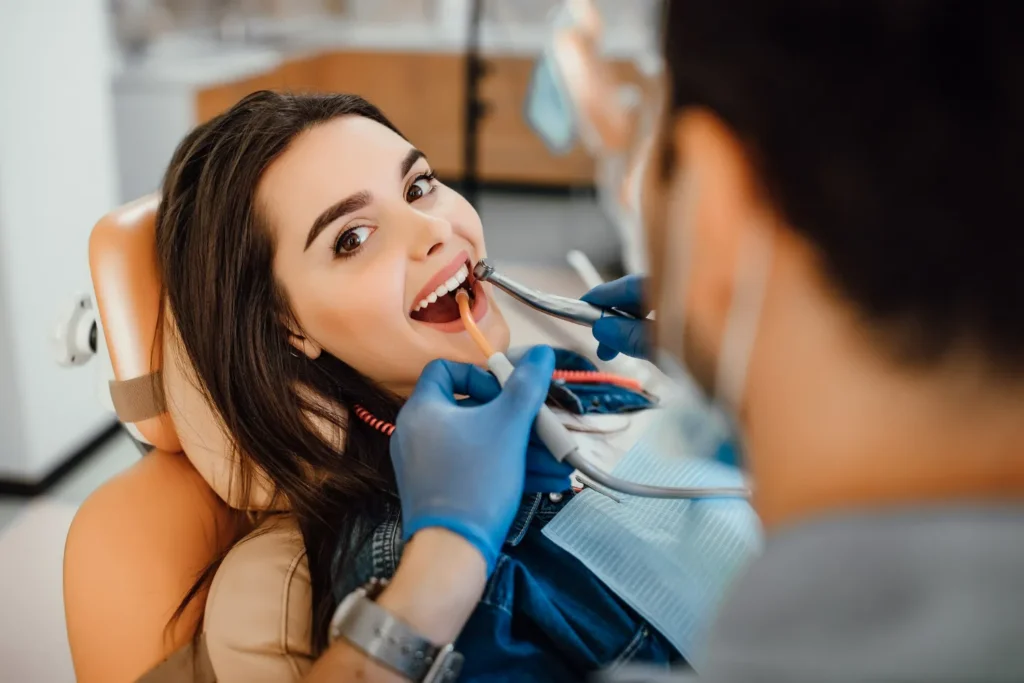
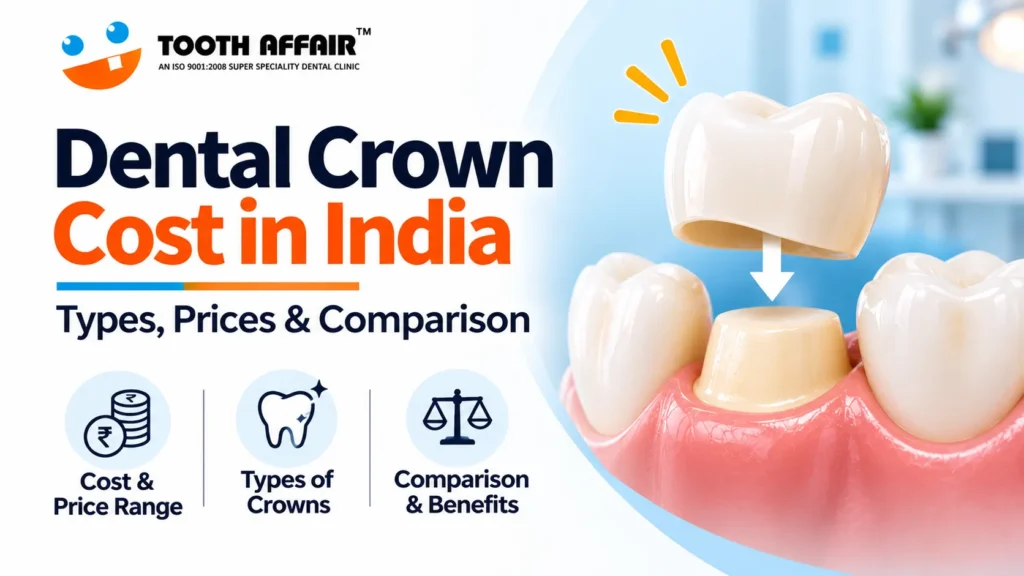
A damaged, weakened, or severely decayed tooth may need more than a regular dental filling. In such cases, a dentist may recommend a dental crown to restore the tooth’s shape, strength, appearance, and chewing function. Dental crowns, also commonly called tooth caps, cover the visible portion of a tooth and help protect it from further damage.
However, choosing the right dental crown can be confusing because several materials are available, including metal, porcelain-fused-to-metal (PFM), zirconia, all-ceramic, and E-max crowns. Each type has different characteristics, aesthetic qualities, durability, and treatment costs.
Understanding the Dental Crown Cost in India for different types can help you compare treatment options and discuss the most suitable restoration with your dentist.
This guide explains the different dental crown materials, their advantages and limitations, estimated prices, factors affecting treatment costs, the crown placement procedure, and tips for choosing the right dental cap.
Quick Answer: What Is the Dental Crown Cost in India?
The cost of a dental crown in India generally ranges from ₹2,000 to ₹20,000 or more per tooth, depending on the crown material, dental clinic, location, and treatment requirements. Metal dental crowns are usually the most affordable, while porcelain-fused-to-metal (PFM) crowns offer a balance between cost and aesthetics. Zirconia and E-Max dental crowns are premium options known for their strength, durability, and natural appearance. The final cost may also depend on additional procedures, such as root canal treatment, tooth preparation, and core buildup before crown placement.
What Is a Dental Crown?
A dental crown is a custom-made covering placed over a damaged, weakened, or heavily restored tooth. It covers the visible part of the tooth above the gumline and restores its shape, size, strength, and appearance.
Dentists may recommend a dental crown when a tooth has lost significant natural structure and needs additional protection. Unlike a regular filling, which repairs only a portion of the tooth, a crown covers most or all of its visible surface.
Dental crowns are manufactured using different materials, such as metal alloys, porcelain, zirconia, and advanced dental ceramics. The dentist selects the material according to the tooth’s position, remaining structure, chewing pressure, aesthetic requirements, and available treatment options.
What Are the Main Functions of a Dental Crown?
Dental crowns serve several restorative and protective purposes:
- Protects weakened teeth: Covers teeth that have become weak due to extensive decay, large fillings, or structural damage.
- Restores chewing function: Rebuilds the tooth’s shape and helps it withstand normal biting and chewing forces.
- Improves tooth appearance: Restores the colour, size, and shape of damaged or discoloured teeth.
- Supports root canal-treated teeth: Provides additional protection when the remaining tooth structure needs reinforcement after root canal treatment.
- Restores broken teeth: Reconstructs teeth with significant fractures or damage when enough healthy structure remains.
- Completes dental implant treatment: Acts as the visible replacement tooth attached to a dental implant.
The primary purpose of a dental crown is to restore and protect a tooth while maintaining its function. The dentist must examine the tooth before recommending a crown because not every damaged tooth requires full-coverage restoration.
Dental Crown Cost in India: Different Types and Their Prices
Dental crowns are available in several materials, each offering different levels of strength, appearance, and affordability. The most suitable option depends on whether the crown is required for a front tooth, premolar, molar, or dental implant.
The following table provides estimated dental crown prices in India.
| Type of Dental Crown | Estimated Cost Per Tooth |
| Metal Crown | ₹2,000–₹5,000+ |
| Porcelain-Fused-to-Metal (PFM) Crown | ₹3,000–₹9,000+ |
| Zirconia Crown | ₹6,000–₹15,000+ |
| Premium Branded Zirconia Crown | ₹8,000–₹20,000+ |
| All-Ceramic Crown | ₹6,000–₹16,000+ |
| E-Max Crown | ₹10,000–₹18,000+ |
| Gold Alloy Crown | ₹15,000–₹30,000+ |
| Temporary Acrylic or Resin Crown | ₹500–₹2,000+ |
| Stainless Steel Crown | Varies by case and clinic |
Note: These are indicative private-clinic price ranges in India, not fixed treatment charges. Actual costs vary according to the city, clinic, crown material, laboratory, brand, and individual dental requirements. Some premium restorations may cost more.
Metal Dental Crowns
Metal crowns are made using dental metal alloys and are known for their strength and resistance to wear. They have been used in restorative dentistry for many years, particularly for teeth located at the back of the mouth.
Depending on the material, metal crowns may contain alloys such as cobalt-chromium, nickel-chromium, or precious metals. Their metallic colour makes them less suitable for front teeth, where appearance is an important consideration.
- Estimated Cost of Metal Dental Crowns in India: ₹2,000–₹5,000+ per tooth for common base-metal options. Precious-metal or gold-alloy crowns may cost considerably more.
Key Features of Metal Crowns:
- High resistance to biting and chewing forces.
- Generally resistant to chipping and fracture.
- Require relatively less removal of natural tooth structure in some cases.
- Suitable for selected back teeth where appearance is less important.
- Available in different dental alloy compositions.
Advantages of Metal Crowns:
- Offer good durability under regular chewing pressure.
- Their metallic structure does not have the same porcelain-chipping concern as layered ceramic crowns.
- Can be suitable for molars that are not easily visible when smiling.
- May provide a cost-effective restoration compared with premium ceramic options.
Limitations of Metal Crowns:
- Their silver or gold-coloured appearance does not match natural teeth.
- They may not meet the aesthetic expectations of patients who want tooth-coloured restorations.
- Certain metal alloys may not be suitable for people with specific metal sensitivities.
Who Should Consider Metal Crowns?
Metal crowns may be considered for selected molars and other less-visible teeth where strength and affordability are priorities. The dentist will assess the tooth’s position, bite, and material compatibility before recommending one.
Porcelain-Fused-to-Metal (PFM) Crowns
Porcelain-fused-to-metal crowns, commonly known as PFM crowns, combine a metal framework with an outer layer of tooth-coloured porcelain. The metal provides structural support, while the porcelain covering improves the crown’s appearance.
PFM crowns have been widely used in dental restorations because they offer a balance between strength, appearance, and cost. They can be used for front teeth, premolars, and molars, depending on the clinical situation.
- Estimated Cost of Porcelain-Fused-to-Metal (PFM) Crowns in India: ₹3,000–₹9,000+ per tooth.
Key Features of PFM Crowns:
- Made with a metal framework and porcelain outer surface.
- Provide a tooth-coloured appearance.
- Offer a combination of structural support and aesthetics.
- Available in different metal and porcelain configurations.
- Suitable for several types of restorative cases.
Advantages of PFM Crowns:
- Provide a more natural appearance than full-metal crowns.
- Combine the strength of a metal base with the appearance of porcelain.
- Can be used for both front and back teeth.
- Generally cost less than many premium metal-free crowns.
- Have a long history of use in restorative dentistry.
Limitations of PFM Crowns:
- The porcelain layer may chip or fracture under excessive force.
- A dark metal margin may become visible if the gum recedes.
- Their appearance may be less natural than certain advanced ceramic crowns.
- Some tooth structure may need to be removed to accommodate the crown.
Who Should Consider PFM Crowns?
PFM crowns may suit patients looking for a balance between affordability, strength, and tooth-coloured appearance. They can be considered for premolars and molars, as well as selected front teeth, depending on the aesthetic requirements.
Zirconia Dental Crowns
Zirconia crowns are made from zirconium dioxide, a strong ceramic material widely used in modern restorative dentistry. They are metal-free and combine strength with a tooth-coloured appearance.
Zirconia crowns are available in different forms, including monolithic zirconia and layered zirconia. Monolithic crowns are made from a single block of zirconia, while layered versions have additional ceramic layers to improve their appearance.
Because of their strength and versatility, zirconia crowns are commonly considered for both front and back teeth.
- Estimated Cost of Zirconia Dental Crowns in India: ₹6,000–₹15,000+ per tooth. Premium branded zirconia options may cost ₹8,000–₹20,000 or more.
Key Features of Zirconia Crowns:
- Manufactured using zirconium dioxide ceramic.
- Metal-free construction.
- Available in different translucency and strength grades.
- Can be manufactured using computer-aided design and manufacturing (CAD/CAM).
- Available in monolithic and layered designs.
Advantages of Zirconia Crowns:
- Offer high resistance to fracture when appropriately selected and designed.
- Provide a tooth-coloured appearance without a metal framework.
- Can be used for many front and back tooth restorations.
- Offer different aesthetic options depending on the zirconia formulation.
- Are suitable for several restorative applications, including selected implant-supported crowns.
Limitations of Zirconia Crowns:
- Generally cost more than basic metal and PFM crowns.
- Their appearance varies according to the zirconia type and design.
- Some zirconia surfaces may contribute to wear of opposing teeth if not properly finished and polished.
- Premium branded options can increase the overall treatment expense.
Who Should Consider Zirconia Crowns?
Zirconia crowns may be considered by patients who need a strong, metal-free restoration for a front tooth, premolar, or molar. The dentist will select the appropriate zirconia type according to the tooth’s position, bite forces, and aesthetic requirements.
All-Ceramic Dental Crowns
All-ceramic crowns are made entirely from dental ceramic materials without a metal framework. They are designed to replicate the appearance of natural teeth and are commonly considered for visible areas of the mouth.
These crowns can offer natural-looking colour, translucency, and light reflection. However, all-ceramic crowns are not a single material category. Their strength and suitability depend on the specific ceramic used, such as glass-ceramic or other dental ceramic systems.
- Estimated Zirconia Dental Crown Cost in India : ₹6,000–₹16,000+ per tooth.
Key Features of All-Ceramic Crowns:
- Made without a metal base.
- Available in different ceramic compositions.
- Designed to match the colour and appearance of natural teeth.
- Offer different levels of translucency and strength.
- Commonly used in aesthetic dental restorations.
Advantages of All-Ceramic Crowns:
- Provide a natural tooth-coloured appearance.
- Do not have a visible metal margin.
- Can be suitable for patients seeking metal-free restorations.
- Allow customised shade matching.
- Can be used for selected front and back tooth restorations, depending on the ceramic material.
Limitations of All-Ceramic Crowns:
- Some ceramic materials may be more susceptible to chipping or fracture under heavy biting forces.
- Premium ceramic options can be expensive.
- Their suitability depends on tooth position, available space, and bite conditions.
- Some cases require careful tooth preparation to achieve the required fit and appearance.
Who Should Consider All-Ceramic Crowns?
All-ceramic crowns may be suitable for patients who prioritise a natural-looking, metal-free restoration. They are often considered for visible front teeth, although certain ceramic materials can also be used for premolars and molars.
E-Max Dental Crowns
E-Max crowns are a type of all-ceramic dental restoration made from lithium disilicate glass-ceramic. They are particularly valued for their natural appearance, translucency, and ability to blend with neighbouring teeth.
Unlike conventional metal-based crowns, E-Max restorations do not contain a metal framework. Their optical properties make them a popular option for aesthetic dental treatments, especially for visible front teeth.
- Estimated E-Max Dental Crown Cost in India : ₹10,000–₹18,000+ per tooth.
Key Features of E-Max Crowns:
- Made from lithium disilicate glass-ceramic.
- Offer high translucency and natural-looking aesthetics.
- Available in customised shades and designs.
- Metal-free construction.
- Can be fabricated using advanced dental laboratory techniques.
Advantages of E-Max Crowns:
- Closely resemble the appearance of natural enamel.
- Offer excellent shade matching for visible teeth.
- Do not have a dark metal margin.
- Provide a suitable aesthetic option for selected front teeth.
- Can be used for certain premolar restorations when clinically appropriate.
Limitations of E-Max Crowns:
- Usually cost more than conventional metal and PFM crowns.
- May not be suitable for every molar or patient with heavy grinding habits.
- Require appropriate thickness and preparation to achieve the desired strength.
- The final result depends on the dentist’s planning and laboratory fabrication.
Who Should Consider E-Max Crowns?
E-Max crowns may be suitable for patients who prioritise appearance, particularly when restoring front teeth. The dentist will assess the bite, available tooth structure, and functional requirements before recommending this material.
Gold Dental Crowns
Gold dental crowns are made using gold-containing dental alloys. They have been used in restorative dentistry because of their durability, wear characteristics, and ability to withstand chewing forces.
Despite their functional advantages, gold crowns are less commonly selected by patients who prefer tooth-coloured restorations. Their distinctive metallic appearance makes them more suitable for less-visible back teeth.
- Estimated Gold Dental Crown Cost in India: ₹15,000–₹30,000+ per tooth, depending on the gold content, alloy, weight, and market price of gold.
Key Features of Gold Crowns:
- Manufactured using gold-containing dental alloys.
- Designed to withstand chewing pressure.
- Offer good wear characteristics.
- Can be precisely fabricated for individual teeth.
- Have a distinctive gold appearance.
Advantages of Gold Crowns:
- Offer good resistance to wear and fracture.
- Can be suitable for selected molars.
- May require relatively conservative tooth preparation in certain cases.
- Have a long history of use in restorative dentistry.
Limitations of Gold Crowns:
- Their gold colour is noticeable.
- Precious-metal content makes them expensive.
- Availability and cost can vary with gold prices.
- May not be preferred for patients seeking natural-looking restorations.
Who Should Consider Gold Crowns?
Gold crowns may be considered for selected back teeth where durability and functional performance are priorities and the patient is comfortable with their metallic appearance.
Temporary Dental Crowns
Temporary crowns are short-term restorations placed while a permanent crown is being fabricated. They protect the prepared tooth and help maintain basic function and appearance during the waiting period.
Temporary crowns are commonly made using acrylic or resin-based materials. They are not designed to provide the same long-term performance as permanent crowns.
- Estimated Temporary Dental Crown Cost in India: ₹500–₹2,000+ per tooth, although some clinics include temporary crowns in the permanent crown package.
Key Features of Temporary Crowns:
- Made using temporary restorative materials.
- Used between tooth preparation and permanent crown placement.
- Help cover and protect the prepared tooth.
- Can maintain basic appearance and function.
- Designed for short-term use.
Advantages of Temporary Crowns:
- Protect exposed prepared tooth surfaces.
- Help reduce sensitivity during the waiting period.
- Maintain the appearance of the tooth.
- Allow the patient to function while the permanent restoration is being made.
Limitations of Temporary Crowns:
- Are less durable than permanent crowns.
- May loosen, crack, or come off.
- Require careful chewing and oral hygiene.
- Should be replaced with the planned permanent restoration.
Who Should Consider Temporary Crowns?
Temporary crowns are used when a permanent crown requires laboratory fabrication or when the dentist needs to protect a prepared tooth between appointments.
Stainless Steel Dental Crowns
Stainless steel crowns are prefabricated metal crowns commonly used in paediatric dentistry. They are frequently recommended for severely decayed or weakened primary teeth, also known as baby teeth.
They provide full coverage and can protect a damaged baby tooth until it naturally falls out. Stainless steel crowns may also be used in selected other clinical situations, depending on the dentist’s judgement.
- Estimated Stainless Steel Dental Crown Cost in India: Varies according to the child’s age, tooth, crown size, and clinic.
Key Features of Stainless Steel Crowns:
- Made from stainless steel.
- Available in prefabricated sizes.
- Commonly used for primary teeth.
- Provide full coverage to the affected tooth.
- Designed for use until the natural tooth is shed.
Advantages of Stainless Steel Crowns:
- Provide full coverage for severely damaged baby teeth.
- Can protect teeth affected by extensive decay.
- Are generally durable for their intended use.
- Often require fewer laboratory steps than custom permanent crowns.
Limitations of Stainless Steel Crowns:
- Have a metallic appearance.
- Are generally not selected for permanent visible teeth.
- Require appropriate sizing and placement.
- May not be suitable for every child or tooth condition.
Who Should Consider Stainless Steel Crowns?
These crowns are primarily considered for children who need protection for severely decayed or weakened primary teeth. A paediatric dentist can determine whether a stainless steel crown is appropriate.
Comparison of Different Types of Dental Crown Costs in India: Which Material Offers What?
Choosing a crown becomes easier when you compare the available materials based on price, appearance, strength, and common applications.
| Crown Type | Estimated Cost | Appearance | Common Application |
| Metal | ₹2,000–₹5,000+ | Metallic | Selected back teeth |
| PFM | ₹3,000–₹9,000+ | Tooth-coloured | Front and back teeth |
| Zirconia | ₹6,000–₹15,000+ | Tooth-coloured | Front and back teeth |
| Premium Zirconia | ₹8,000–₹20,000+ | Tooth-coloured, material-dependent translucency | Aesthetic and functional restorations |
| All-Ceramic | ₹6,000–₹16,000+ | Natural-looking | Selected front and back teeth |
| E-Max | ₹10,000–₹18,000+ | Highly aesthetic | Mainly visible teeth and selected premolars |
| Gold Alloy | ₹15,000–₹30,000+ | Gold-coloured | Selected back teeth |
| Temporary Acrylic/Resin | ₹500–₹2,000+ | Temporary tooth-coloured | Short-term protection |
Prices are indicative estimates for India. Actual fees depend on the clinic, material, brand, and treatment plan.
What Factors Affect the Cost of Dental Crowns in India?
The cost of dental crowns in India is not the same for every patient. Even when two people choose the same crown material, their final treatment charges may differ because of tooth condition, laboratory requirements, and additional dental procedures.
Understanding the following factors can help you evaluate dental crown prices more accurately.
Type of Crown Material
The material is one of the most important factors affecting the price of a dental crown.
Basic metal crowns and conventional PFM crowns are generally more affordable. Zirconia, E-Max, and premium all-ceramic crowns may cost more because of their material properties, manufacturing processes, and aesthetic requirements.
For example, a patient choosing a basic PFM crown for a molar may pay less than someone selecting a premium E-Max crown for a visible front tooth.
Tooth Location and Visibility
The position of the tooth can influence the crown material, design, and laboratory work.
Front teeth are highly visible when speaking and smiling. They may require more detailed shade matching, contouring, and translucency to blend with neighbouring teeth.
Back teeth experience substantial chewing forces. Their crowns must be selected according to bite pressure, tooth structure, and functional requirements.
These differences can affect the type of crown recommended and its final price.
Dental Laboratory Quality
Dental crowns are custom-made to fit individual teeth. The quality of the dental laboratory can influence their fit, shape, appearance, and manufacturing consistency.
Some laboratories use digital scanning, computer-aided design, and milling systems to fabricate restorations. Others use conventional impressions and laboratory techniques.
Advanced equipment, quality materials, technician expertise, and detailed finishing can affect laboratory charges and the final crown price.
Dentist’s Experience and Expertise
The dentist’s experience and training can influence the treatment fee. Crown placement requires accurate diagnosis, tooth preparation, bite assessment, and proper fitting.
A prosthodontist, who specialises in dental restorations and replacement of missing teeth, may be involved in more complex restorative cases.
The dentist must also consider the condition of the gums, remaining tooth structure, and the patient’s bite before finalising the crown design.
Tooth Preparation and Additional Procedures
Some teeth require additional treatment before a permanent crown can be placed. These procedures may increase the overall expense.
Depending on the condition of the tooth, the dentist may recommend:
- Root canal treatment: Required when the dental pulp is infected or irreversibly damaged.
- Core build-up: Rebuilds missing tooth structure to provide support for the crown.
- Post and core: May be considered when substantial tooth structure is missing and additional support is needed.
- Gum treatment: May be required when gum inflammation or periodontal problems affect the restoration.
- Temporary crown: Protects the prepared tooth while the permanent crown is being fabricated.
These procedures are not automatically included in the crown price. Ask for a separate breakdown before treatment begins.
Crown Brand and Manufacturing Technology
Some dental crowns are made using branded ceramic or zirconia systems. The brand, material grade, manufacturing process, and laboratory technology can affect the price.
CAD/CAM technology allows dental technicians to design and manufacture crowns digitally. Some clinics also use intraoral scanners instead of conventional impressions.
However, a branded crown or advanced manufacturing process does not automatically guarantee a better clinical outcome. Proper planning, fit, material selection, and placement remain important.
City and Clinic Location
Dental crown prices may differ between metropolitan cities and smaller towns in India.
Clinics in cities such as Bangalore, Mumbai, Delhi, Chennai, and Hyderabad may have different operating expenses and laboratory arrangements compared with clinics in smaller locations.
The clinic’s facilities, staffing, equipment, and service structure can also affect the quoted fee.
Number of Crowns Required
The number of teeth requiring crowns can influence the overall treatment budget.
A single crown is generally priced separately, while patients requiring multiple crowns or a dental bridge may receive a different treatment estimate.
For multiple restorations, the dentist may plan the treatment in stages to manage bite alignment, appearance, and chewing function.
Dental Crown Cost in Major Cities of India
Dental crown prices vary across India depending on the clinic, material, and dental laboratory. Metropolitan locations may have different pricing structures from smaller cities.
The following table provides broad indicative estimates for zirconia crowns. These are planning ranges, not verified quotations from individual clinics.
| City | Estimated Zirconia Crown Cost |
| Bangalore | ₹8,000–₹20,000+ |
| Mumbai | ₹10,000–₹22,000+ |
| Delhi | ₹8,000–₹20,000+ |
| Chennai | ₹8,000–₹18,000+ |
| Hyderabad | ₹8,000–₹18,000+ |
| Pune | ₹8,000–₹19,000+ |
| Kolkata | ₹7,000–₹17,000+ |
| Ahmedabad | ₹7,000–₹17,000+ |
Actual prices may be lower or higher depending on the clinic, zirconia brand, laboratory, and restoration requirements. Always request a current written quotation.
Which Type of Dental Crown Is Best for Front Teeth?
Front teeth are visible when smiling, speaking, and eating. Therefore, appearance and shade matching are important when selecting a crown for incisors and canines.
The dentist may consider the following options:
- E-Max crowns: Often selected for their natural translucency and aesthetic appearance.
- All-ceramic crowns: Provide a metal-free restoration with a natural-looking finish.
- Zirconia crowns: Offer a strong, tooth-coloured option, with the final appearance depending on the zirconia type.
- PFM crowns: Can be used in selected cases, although their metal framework may affect gum-line aesthetics.
The right choice depends on the amount of remaining tooth structure, gum condition, bite, neighbouring tooth colour, and aesthetic expectations.
Which Type of Dental Crown Is Best for Back Teeth?
Back teeth, particularly molars, handle significant chewing pressure. Their crowns need to provide appropriate strength and withstand regular biting forces.
Depending on the case, dentists may consider:
- Metal crowns: Suitable for selected molars where appearance is less important.
- Zirconia crowns: Offer a tooth-coloured restoration with high strength.
- PFM crowns: Provide a combination of metal support and porcelain aesthetics.
- Selected all-ceramic crowns: May be suitable when the ceramic material and design can withstand the patient’s bite.
Patients who grind or clench their teeth may require additional evaluation before selecting a crown. The dentist may also recommend a night guard to protect the restoration.
Which Is Better: Zirconia Crown or PFM Crown?
Zirconia and PFM crowns are both used for restoring damaged teeth, but they differ in material composition, appearance, and price.
| Comparison | Zirconia Crown | PFM Crown |
| Material | Zirconium dioxide ceramic | Metal framework with porcelain |
| Metal content | Metal-free | Contains a metal framework |
| Appearance | Tooth-coloured | Tooth-coloured porcelain |
| Strength | High, depending on zirconia type | Strong metal framework |
| Gum-line appearance | No metal margin | Metal margin may become visible |
| Cost | Generally higher | Generally more affordable |
| Common use | Front and back teeth | Front and back teeth |
Which should you choose?
Zirconia may be suitable if you want a metal-free crown with a combination of strength and tooth-coloured appearance. PFM may be a practical option if you want a more affordable restoration with a metal-supported structure.
Neither material is automatically best for every patient. Your dentist should assess the tooth, bite, and restoration requirements before recommending one.
Which Is Better: E-Max Crown or Zirconia Crown?
E-Max and zirconia are both metal-free dental crown materials, but they have different characteristics.
E-Max is made from lithium disilicate glass-ceramic and is valued for its natural translucency. Zirconia is made from zirconium dioxide and is available in different formulations designed to provide varying levels of strength and aesthetics.
E-Max is commonly considered for visible front teeth where appearance is a major priority. Zirconia may be considered for both front and back teeth, depending on its type and the patient’s bite.
The dentist will determine which material is appropriate based on the tooth’s position, available space, chewing forces, and aesthetic needs.
What Is the Dental Crown Placement Procedure?
Getting a permanent dental crown generally involves an examination, tooth preparation, impression or digital scanning, crown fabrication, and final placement. The number of appointments depends on the treatment method and whether the clinic offers same-day crown fabrication.
Step 1: Dental Examination
The dentist examines the affected tooth, checks the surrounding gums, and evaluates the bite. Dental X-rays may be taken to assess the tooth roots and surrounding structures.
Step 2: Tooth Preparation
The dentist reshapes the tooth to create enough space for the crown. The amount of tooth preparation depends on the crown material, existing damage, and restoration design.
If the tooth has extensive decay or insufficient structure, additional treatment may be required before crown placement.
Step 3: Dental Impression or Digital Scan
The dentist records the shape of the prepared tooth and surrounding teeth using a conventional impression or digital intraoral scanner.
This information helps the dental laboratory manufacture a crown that fits the prepared tooth and matches the patient’s bite.
Step 4: Temporary Crown Placement
If the permanent crown requires laboratory fabrication, the dentist may place a temporary crown to protect the prepared tooth.
The temporary restoration helps maintain basic appearance and function until the permanent crown is ready.
Step 5: Permanent Crown Fabrication
The dental laboratory manufactures the permanent crown according to the dentist’s prescription, selected material, shade, and design.
The fabrication time varies depending on the laboratory process and crown type.
Step 6: Crown Fitting and Cementation
The dentist checks the crown’s fit, colour, shape, and bite. Any necessary adjustments are made before the crown is permanently cemented or otherwise secured.
The dentist may schedule a follow-up appointment to check comfort and function.
How Long Do Dental Crowns Last?
The lifespan of a dental crown depends on its material, fit, bite forces, oral hygiene, and regular dental care.
Some crowns may remain functional for many years, while others may need replacement sooner due to damage, wear, gum changes, or decay around the supporting tooth.
Factors that influence crown longevity include:
- Material quality: Different crown materials have different resistance to wear and fracture.
- Crown fit: Proper fit helps reduce gaps where plaque and bacteria can accumulate.
- Oral hygiene: Regular brushing and cleaning between teeth help protect the natural tooth beneath the crown.
- Bite pressure: Grinding, clenching, or an uneven bite may place additional stress on the restoration.
- Dental check-ups: Regular examinations help identify problems before they become more serious.
- Gum health: Healthy surrounding gums support the long-term condition of the restoration.
A crown does not make the underlying tooth immune to decay. The tooth and gum tissue still require regular care.
How to Take Care of Your Dental Crown
Good oral hygiene and appropriate dental habits can help maintain the condition of a dental crown.
Follow these care tips after crown placement:
- Brush twice daily: Use a soft-bristled toothbrush and fluoride toothpaste to clean the crown and surrounding teeth.
- Clean between your teeth: Use dental floss or interdental cleaning aids to remove plaque around the crown margins.
- Avoid biting hard objects: Do not use your teeth to open packages, bite pens, or crack hard materials.
- Limit excessive sticky foods: Very sticky foods may loosen or damage certain restorations.
- Manage teeth grinding: If you grind or clench your teeth, ask your dentist whether a night guard is appropriate.
- Attend regular check-ups: Visit your dentist to monitor the crown, gums, and underlying tooth.
- Report discomfort early: Contact your dentist if the crown feels loose, causes persistent pain, or affects your bite.
What Are the Signs That You May Need a Dental Crown?
A dental crown may be recommended when a tooth has lost significant strength or cannot be adequately restored with a regular filling.
Common situations include:
- Severely decayed teeth: Extensive cavities may leave insufficient natural structure for a conventional filling.
- Cracked or fractured teeth: A crown may help cover and protect a tooth with significant structural damage.
- Large existing fillings: Teeth with extensive restorations may need additional coverage to reduce the risk of fracture.
- After root canal treatment: Some root canal-treated teeth need a crown to protect the remaining structure, depending on the tooth and amount of damage.
- Worn-down teeth: Severe wear may affect the tooth’s shape, height, and chewing function.
- Dental implant restoration: A crown may be placed over an implant to replace the visible part of a missing tooth.
A dental examination is necessary to determine whether a crown, filling, onlay, or another treatment is appropriate.
Are Dental Crowns Covered by Health Insurance in India?
Dental crown coverage depends on the insurance provider, policy terms, exclusions, and reason for treatment.
Many standard health insurance policies in India exclude routine dental procedures. However, certain policies or additional benefits may provide limited coverage for dental treatment under specific conditions, such as accidental injury or medically necessary procedures.
Before starting treatment, check:
- Whether restorative dental procedures are covered.
- Whether crowns following root canal treatment are eligible.
- Whether treatment following an accident is covered.
- Whether there is a waiting period or sub-limit.
- Whether pre-authorisation or supporting documents are required.
- Whether the insurer requires treatment at a network dental clinic.
Do not assume that a crown is covered simply because it is medically recommended. Confirm the coverage directly with your insurance provider.
How to Choose the Right Dental Crown for Your Needs
Selecting a dental crown involves more than comparing prices. The material must be appropriate for the tooth’s condition, position, bite pressure, and appearance requirements.
Consider the following points before making a decision.
Consider the Tooth’s Position
Front teeth generally require greater attention to colour and appearance. Back teeth need restorations that can withstand chewing pressure. Choose the material according to the location and function of the tooth.
Compare Material Options
Understand the differences between metal, PFM, zirconia, all-ceramic, and E-Max crowns. Ask your dentist to explain the advantages and limitations of each option for your specific case.
Check the Complete Treatment Cost
Ask whether the quoted crown price includes tooth preparation, temporary crown, laboratory charges, cementation, and follow-up visits. Additional procedures such as root canal treatment or core build-up may be charged separately.
Ask About the Crown Brand and Material
If the clinic recommends a branded zirconia or ceramic crown, ask for the material name, manufacturer details, and any applicable documentation or warranty terms.
Evaluate the Dentist’s Experience
Crown placement requires careful preparation, impression-taking, bite assessment, and final fitting. Choose a dentist with suitable experience in restorative dental procedures.
Understand the Expected Maintenance
Ask how to care for the crown, which foods or habits to avoid, and when to schedule follow-up visits. Good maintenance is important for protecting both the crown and the underlying tooth.
Restore Your Smile with Expert Dental Crown Treatment at Tooth Affair Clinic
A damaged, weakened, or severely decayed tooth may require a dental crown to restore its strength, appearance, and chewing function. At Tooth Affair Clinic, we help patients explore suitable dental crown options based on their oral health, aesthetic expectations, and budget.
Our dental team can help you with:
- Different Crown Options: Explore metal, PFM, zirconia, all-ceramic, and E-Max dental crowns.
- Personalised Treatment Planning: Get recommendations based on your tooth condition and restoration requirements.
- Aesthetic Restorations: Choose suitable tooth-coloured crowns to improve the appearance of your smile.
- Functional Restoration: Restore the shape and chewing function of damaged or weakened teeth.
- Treatment Cost Guidance: Understand the estimated dental crown cost based on your selected material and treatment needs.
Whether you need a crown for a front tooth, molar, or root canal-treated tooth, schedule a consultation at Tooth Affair Clinic to discuss your treatment options and receive a personalised cost estimate.
Book your dental consultation today and take the next step towards restoring your smile!
Conclusion
Understanding the dental crown cost in India and the prices of different crown materials can help you make an informed decision based on your dental needs, budget, durability expectations, and aesthetic preferences when restoring a damaged or weakened tooth. Metal, PFM, zirconia, all-ceramic, E-Max, and gold crowns each offer different benefits, limitations, and price ranges.
The cost of a dental crown generally starts at around ₹2,000 for basic options and can exceed ₹20,000 for premium materials and specialised restorations. The final price depends on the crown material, tooth location, laboratory quality, dentist’s expertise, and any additional treatment required.
Rather than choosing a crown based only on price, consider its suitability for your tooth, appearance, strength, and long-term maintenance. Consult a qualified dentist to understand your treatment options and receive a personalised cost estimate.
A properly planned and maintained dental crown can help restore the appearance and function of a damaged tooth while supporting your long-term oral health.